Dhokra Art
Browse in all
Brass (in-stock items only)
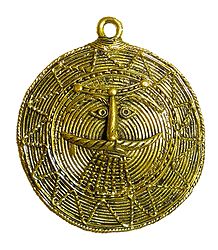
Item Code: UM06
Brass
Dia - 4.25 inches
Weight - 225 gms.
$39.00
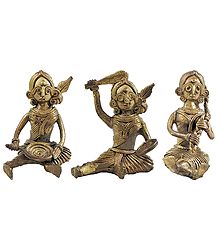
Item Code: MI21
Brass
2.5 x 2 x 1.5 inches Each
Weight - 250 gms.
$67.50 45% off (Deal)
$37.12
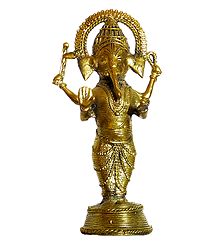
Item Code: UM08
Brass
6.5 x 3.25 x 2 inches
Weight - 340 gms.
$65.50
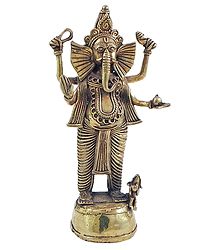
Item Code: MI16
Brass
6.5 x 3 x 2 inches
Weight - 250 gms.
$94.00 45% off (Deal)
$51.70
Dhokra art is one of the earliest known methods of non-ferrous metal casting known to human civilization. It was used for making everything from making jewelry to vessels to images of Gods and Goddesses. The few art metal objects found in Mohenjadaro and Harappa have a very strong resemblance to the dhokra figures and objects created by craftsmen today. The tribal art of dhokra is an ancient process of producing metalware by the wax casting process. A wax pattern is made and then covered with a thick layer of clay keeping a hole on top. Molten metal is poured into the mould to replace wax layer. The cast is then taken out to give finishing touches. The traditional themes of these cast metal sculptures. This Brass Dhokra (lost wax casting) item depicts Goddess Durga as Mahishasuramardini - the slayer of the evil Asura (demon) king Mahishasura. She is depicted as having ten hands and as standing on her divine vehicle - the lion, while she slays the evil demon with a spear.
i just buy a garland from you and all your product is very good.
Thank you very much, today i have received my order.Jewellery are lovely!
- Kristyna Jolicoeur
Thank you for making such beautiful products available at reasonable prices .
- sujatha viswanathan
I received order. Thank you for your fast service.
- Paul Russell
Thank you so much...you took so much care in packing items....beautiful